

Processing versus formulation: a source of confusion that affects perceptions of plant-based foods
Published on 06 January 2026
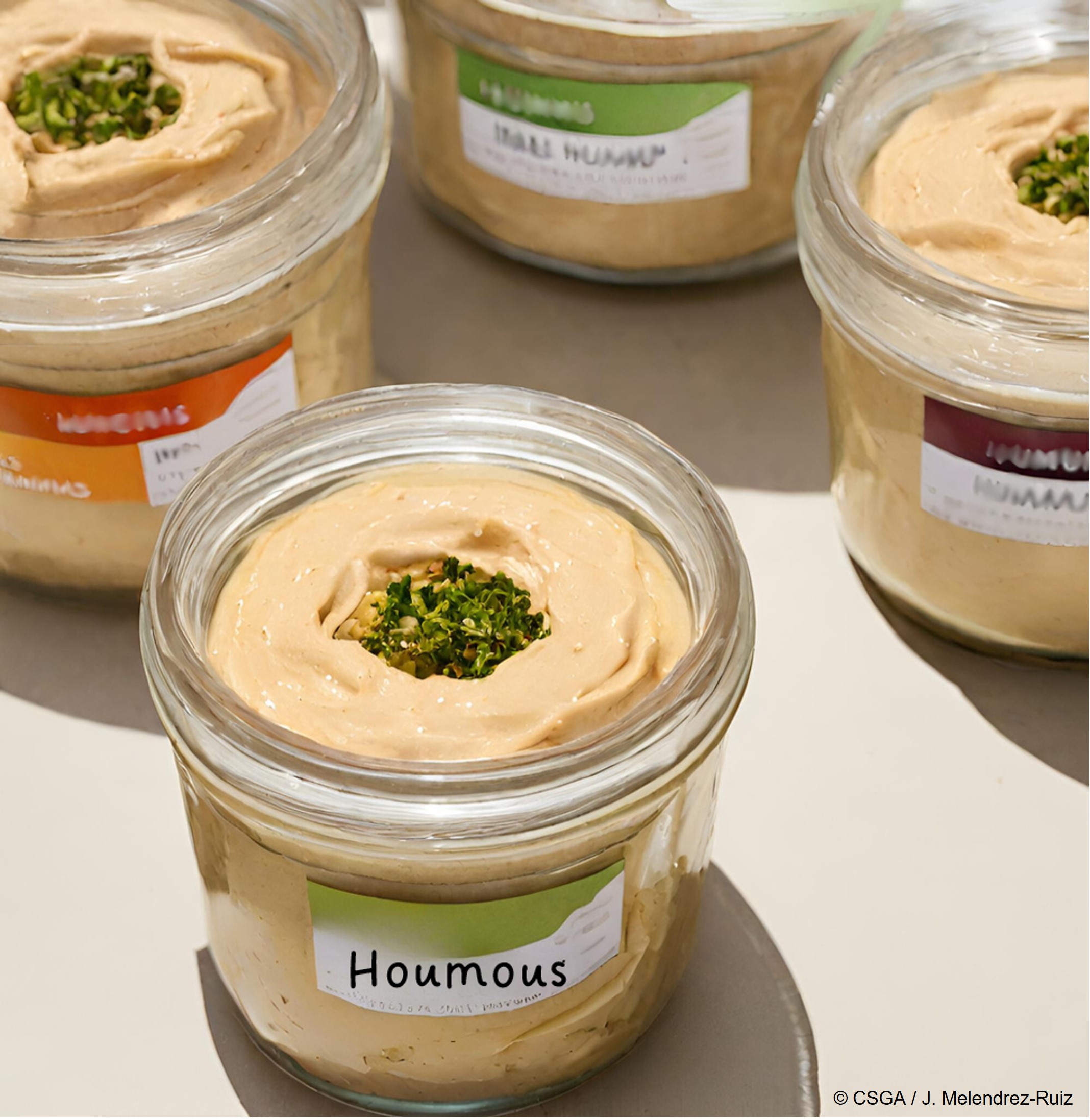
While plant-based alternatives are becoming increasingly common, a recent study reveals that consumers struggle to distinguish between "how it is made" and "what is in it".
This confusion could slow down the adoption of sustainable products.
Adopting a more plant-based diet is a significant step towards preserving both consumer health and the environment. Although dried chickpeas and beans are often considered too time-consuming to prepare, ready-to-eat legume products could be a more convenient alternative. However, these products are often considered to be "ultra-processed" and have a negative image. But is this rejection based on the manufacturing process or the recipe?
For the first time, researchers at the CSGA have investigated this question by surveying 400 French consumers. The results revealed a clear relationship: for these participants, a product perceived as highly processed was generally considered to have a complex recipe containing many additives. In the collective imagination, "ready-to-eat food" is often synonymous with "chemical" and "artificial". However, a few participants stood out by associating highly processed products with simple recipes, highlighting the need for a better understanding of the factors underlying the formation of perceptions. Additionally, access to clear and concise ingredient lists influenced participants' judgements: when provided with such information, they revised their perception, judging the product to be "less processed".
This research highlights the importance of clear labelling to avoid discouraging the consumption of convenient, plant-based products that are beneficial to health.
Processing does not necessarily mean degradation; certain technological steps can even enhance a product's nutritional or practical qualities.
Key words
Consumer; legumes; plant-based foods; representation; food transition; ultra-processed foods; processing; formulation; labelling; sustainable food.
Contacts
FFOP team: Stéphanie Chambaron, stephanie.chambaron-ginhac@inrae.fr
CEP team : Juliana Melandrez-Ruiz, juliana.melendrez-ruiz@inrae.fr